What Are Pre-Engineered Steel Hangars?
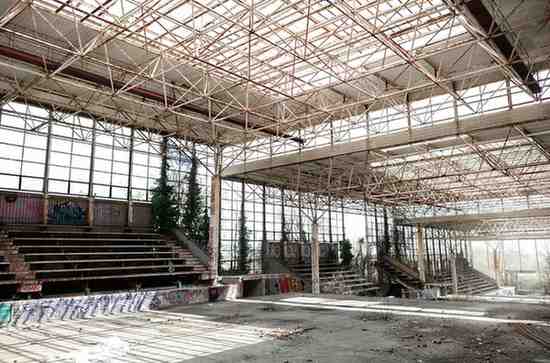
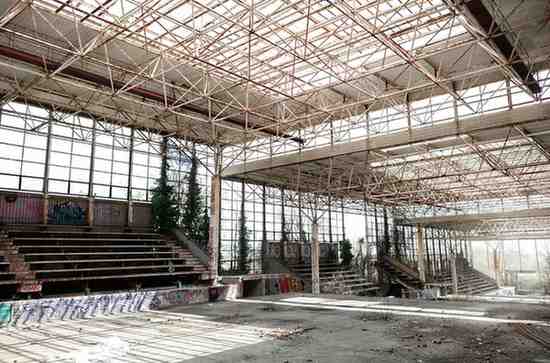
Pre-engineered steel hangars are buildings made mostly of steel components that are designed and manufactured in factories. These parts are then shipped to the construction site and assembled quickly like building blocks. Because everything is pre-made, it reduces waste and speeds up the entire building process. Steel is strong, durable, and recyclable, making it an excellent choice for sustainable construction.
Why Is Recycling Important in Aviation Hangars?
Building large hangars traditionally involves cutting down trees, mining materials, and using lots of water and energy. These processes produce waste and pollution. In India, where environmental concerns are growing, reducing construction waste is important for protecting nature and saving resources.
Steel, unlike many building materials, can be recycled repeatedly without losing strength. Using pre-engineered steel hangars helps reduce construction waste because:
- Factory production creates precise parts, minimizing leftover materials.
- Old steel from dismantled buildings can be melted and reused.
- Less on-site cutting reduces scrap and debris.
- This recycling helps lower the carbon footprint of aviation hangars, making the aviation sector greener.
How Pre-Engineered Steel Hangars Save Energy
Energy efficiency is another big benefit of pre-engineered steel hangars. Here’s how they help save energy:
Faster Construction Means Less Energy Use
Since the parts are pre-made, building a steel hangar takes less time and fewer machines on-site. This reduces fuel and electricity consumption during construction.
Better Insulation
Steel hangars can be designed with modern insulation materials that keep the building cooler in summer and warmer in winter. This lowers the need for air conditioning and heating, cutting down energy bills.
Reflective Roofing Options
Steel roofs can be coated with reflective paint, which bounces sunlight away and keeps the hangar cooler naturally.
Long Lifespan with Low Maintenance
Steel structures last longer and need fewer repairs, meaning less energy and materials used over time.
Benefits of Pre-Engineered Steel Hangars for Aviation in India
India’s aviation sector benefits from steel hangars in many ways:
Speed: Airports and airlines can build hangars quickly to keep up with growing demand.
Cost-Effective: Less material waste and faster construction save money.
Durability: Steel can withstand heavy winds, rain, and earthquakes better than traditional materials.
Eco-Friendly: Using recyclable steel reduces the industry’s environmental impact.
Flexibility: Hangars can be designed in different sizes and shapes to fit specific needs.
Challenges and How They Are Being Overcome
Despite the many benefits, some challenges exist:
Initial Cost: Steel structures can be more expensive upfront compared to traditional buildings. However, the long-term savings and durability make it cost-effective over time.
Lack of Awareness: Some builders and airport authorities may not be fully aware of steel hangars’ advantages. Education and success stories help change this.
Supply Chain: Ensuring a steady supply of quality steel and components is important. India’s growing steel industry is supporting this demand.
The Role of Sustainable Construction in India’s Aviation Growth
India’s aviation industry aims to be more sustainable as it grows. Government policies and environmental standards encourage green building practices. Pre-engineered steel hangars fit well into this vision because they align with goals to reduce waste, save energy, and promote recycling. Many new airports and aviation hubs are adopting steel hangars for these reasons, showing a strong trend towards greener infrastructure.
How KaizenPrefab Supports Sustainable Aviation Hangars in India
KaizenPrefab is one of India’s leading companies specializing in pre-engineered steel buildings, including aviation hangars. They focus on providing high-quality, eco-friendly solutions that help airports and airlines build hangars faster while reducing environmental impact.
By using advanced manufacturing techniques and sustainable materials, KaizenPrefab helps transform the aviation industry with buildings that save energy, minimize waste, and stand the test of time.