Welding vs Bolting in Pre-Engineered Buildings: Which Method Is Best?
Pre-engineered buildings (PEBs) have become a popular choice for fast, efficient, and cost-effective steel construction. A key decision during steel structure installation is how to join the steel members. The two main methods are welding and bolting. Each method has distinct benefits and limitations, especially when applied to PEBs. This blog compares welding vs bolting steel structures, explores different steel structure joint types, and reviews common steel erection methods to help you choose the best connection technique for your PEB project.
What Are Pre-Engineered Buildings?
Pre-engineered buildings are factory-made steel structures designed to precise specifications. The components are manufactured, cut, and drilled off-site, then transported to the construction site for rapid assembly. This approach reduces build time and overall costs while maintaining structural quality.
In PEB construction, strong and reliable connections between steel members are critical. Choosing between welding and bolting affects the building’s safety, durability, and installation efficiency.
Understanding Welding in PEBs
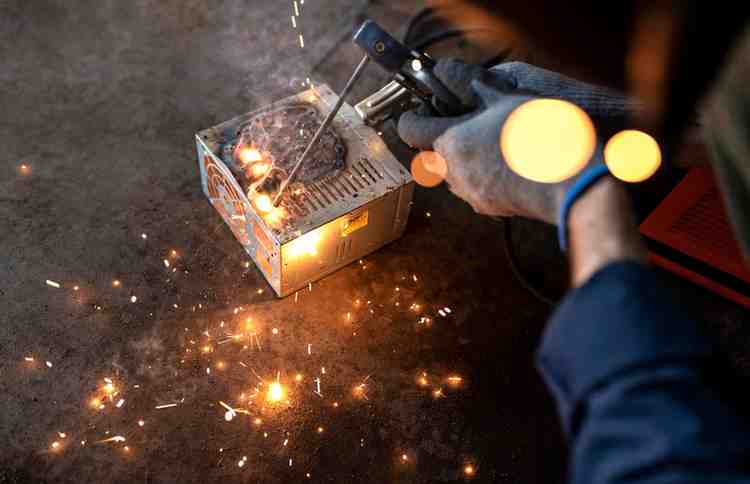
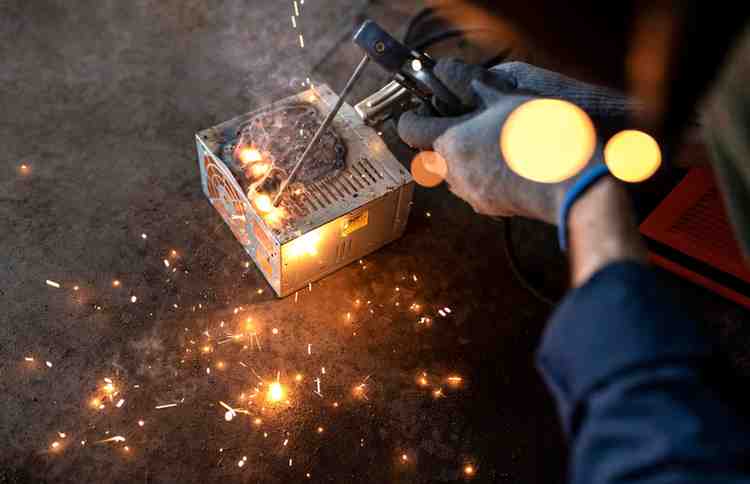
Structural steel welding joins steel parts by melting and fusing the metal at their joints. This results in a continuous and rigid connection, giving the structure strength and stability. Welding is often done in factory settings, where controlled conditions ensure high quality.
While welding produces very strong joints, it requires skilled welders, specialized equipment, and safety measures, especially for on-site work. Inspections are also crucial to verify weld integrity.
Understanding Bolting in PEBs
High strength bolted connections use bolts and nuts to mechanically fasten steel components. Bolting allows for quick assembly and introduces slight flexibility into the structure, which can be beneficial to absorb stresses from environmental forces.
Bolted joints are easier and faster to install on-site, requiring less specialized labor than welding. Visual inspection is straightforward, and bolts can be tightened or replaced if necessary.
Welding vs Bolting Steel Structures: Key Differences
Aspect
Welding
Bolting
Installation Speed
Slower due to preparation, welding, and inspection
Faster; bolts can be quickly installed on-site
Joint Strength
Creates rigid, continuous joints
Strong but allows slight flexibility
Field Conditions
Sensitive to weather and requires controlled environment
Suitable for various site conditions
Inspection
Requires detailed testing (ultrasonic, etc.)
Simple visual inspection
Maintenance
Difficult to modify or repair
Easy to adjust, disassemble, or replace
Cost
Higher labor and equipment costs
Lower labor costs and faster construction
Steel Structure Joint Types in PEBs
PEB steel connections use several steel structure joint types, including:
Butt Joints: Welded end-to-end connections that provide maximum strength and continuity.
Lap Joints: Overlapping steel members joined by welding or bolting.
T-Joints: Perpendicular connections made with welds or bolts.
Moment Connections: Designed to resist bending forces, often using a combination of welding and bolting.
Choosing the right joint type is essential for distributing loads safely and influencing whether welding or bolting is more suitable.
Steel Erection Methods: Combining Welding and Bolting
In modern PEB construction, a hybrid approach is common. Steel components are mostly welded in the factory for precision and strength. On-site, bolting is preferred for assembling the structure quickly and safely.
This method leverages the strengths of both techniques — the permanent strength of welding and the installation speed and flexibility of bolting. It results in a more efficient construction process overall.
When to Choose Welding in Pre-Engineered Buildings
Welding is ideal when strong, rigid joints are needed, especially in load-bearing areas. Factory welding ensures consistent quality and structural integrity. It’s also the best choice for joints requiring a smooth or airtight finish. However, on-site welding can be time-consuming, weather-dependent, and costlier due to labor and inspection requirements.
When to Choose Bolting in Pre-Engineered Buildings
Bolting works best when quick assembly is a priority, especially under varying weather or site conditions. Bolted connections allow for easier inspections and future modifications. For projects with tight schedules or limited access to skilled welders, bolting offers a practical and cost-effective solution.
Conclusion
The decision between welding vs bolting steel structures in pre-engineered buildings depends on your project’s design, site conditions, timeline, and budget. Both methods have valuable roles in creating strong, durable steel buildings. At KaizenPrefab, we specialize in combining the best of structural steel welding and high strength bolted connections. Our expertise in selecting the right steel structure joint types and applying efficient steel erection methods ensures your PEB project is safe, cost-effective, and delivered on time.
TABLE OF CONTENTS
02
Contact Us
Get in Touch With Us
Have a project in mind? Let's discuss how we can bring your Vision to Life