Understanding Fire Resistance in PEB Buildings
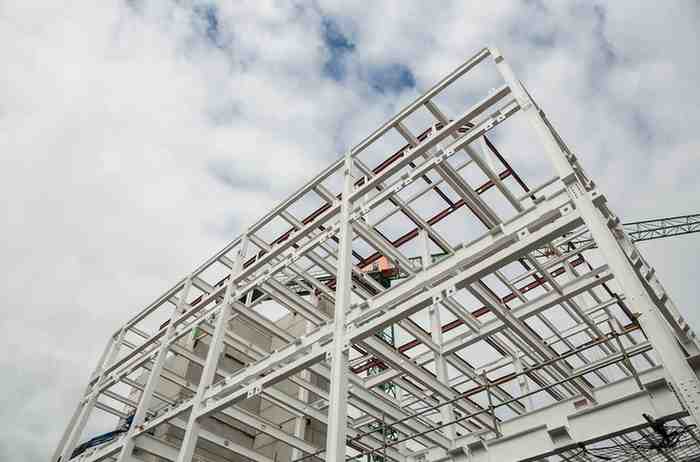
PEB buildings are primarily made using structural steel components, including columns, beams, roof systems, and wall panels. Steel is a non-combustible material, meaning it does not catch fire or contribute fuel to a fire. This makes steel structures safer compared to many traditional construction materials.
However, steel loses some of its strength when exposed to extremely high temperatures for extended periods. Therefore, PEB manufacturers use various fire protection methods to improve the overall safety and durability of these structures.
So, are PEB buildings fireproof? The answer is that PEB buildings are not completely fireproof, but they can be highly fire-resistant when designed and constructed according to proper safety standards.
Fire Safety Features of PEB Buildings
Modern PEB structures include multiple safety features that help reduce fire risks and improve building performance during emergencies.
1. Use of Non-Combustible Steel Materials
One of the biggest advantages of PEB buildings is the use of steel as the primary construction material. Structural steel does not burn, produce smoke, or spread flames. This makes it an ideal choice for warehouses, manufacturing facilities, and industrial buildings where fire safety is a major concern.
2. Fire-Resistant Coatings and Treatments
To enhance the fire resistance of steel structures, protective coatings such as intumescent paints, fireproof coatings, and heat-resistant materials are applied. These coatings create an insulating layer that slows down heat transfer and protects steel components during a fire.
Fire-resistant coatings help maintain the structural stability of PEB buildings for a longer period, giving occupants more time to evacuate and allowing firefighters to control the situation.
3. Proper Insulation Systems
PEB buildings often use insulated panels made with materials that provide better fire resistance and temperature control. Fire-resistant insulation materials help prevent the rapid spread of flames and reduce heat exposure inside the building.
Depending on the project requirements, materials such as mineral wool insulation and other fire-rated panels can be used to improve the building’s safety performance.
4. Advanced Fire Detection and Protection Systems
A safe PEB building does not only depend on construction materials. Fire protection systems play an important role in preventing major damage.
Common fire safety systems installed in PEB structures include:
- Smoke detection systems
- Fire alarms
- Automatic sprinkler systems
- Emergency exits
- Fire extinguishing equipment
- Fire hydrant systems
These solutions help identify and control fire incidents before they become severe.
Benefits of Fire-Resistant PEB Structures
Choosing a fire-resistant PEB structure provides several benefits for businesses and industries:
Improved Safety for People and Assets
Fire-resistant construction helps protect employees, equipment, inventory, and valuable assets. Industries storing raw materials, machinery, and finished products can significantly reduce potential losses with proper fire protection planning.
Better Compliance with Safety Regulations
Professional PEB manufacturers follow industry guidelines and safety standards while designing buildings. Compliance with fire safety regulations ensures that the structure meets required performance expectations.
Reduced Maintenance and Long-Term Reliability
Steel structures are durable and require less maintenance compared to many conventional building systems. When combined with protective coatings and safety systems, PEB buildings offer long-term reliability.
Factors That Influence PEB Building Fire Resistance
The fire performance of a pre-engineered building depends on several factors, including:
- Quality of construction materials
- Thickness and grade of steel components
- Fire protection coatings used
- Building design and ventilation
- Installation of fire safety systems
- Compliance with local building codes
Working with experienced PEB manufacturers ensures that all these factors are properly considered during design and construction.
Are Steel PEB Buildings Safer Than Traditional Buildings?
Steel PEB buildings offer several fire safety advantages compared to some traditional structures. Steel does not ignite, does not contribute to flame spread, and maintains structural integrity when properly protected.
However, the overall safety of any building depends on its design, installation quality, fire protection systems, and regular maintenance. A well-designed PEB building with appropriate fire-resistant features can provide a high level of safety for industrial and commercial applications.
Choosing the Right PEB Manufacturer for Fire-Safe Construction
Selecting an experienced PEB manufacturer is essential to ensure your building meets safety requirements. A reliable manufacturer focuses on quality materials, engineering accuracy, safety standards, and customized fire protection solutions.
Professional PEB companies evaluate project requirements, environmental conditions, and industry regulations to create structures that are strong, durable, and safe.