Why Install Solar Panels on a PEB Roof?
PEB buildings often have large, unobstructed roof surfaces that provide considerable space for solar panels. Instead of using additional land for a solar installation, businesses can utilize their existing roof area.
A properly designed PEB roof solar installation can help reduce dependence on grid electricity and lower long-term operating expenses. For energy-intensive facilities such as warehouses and manufacturing plants, rooftop solar can provide a practical renewable-energy solution.
Solar panels can also support corporate sustainability goals by helping businesses reduce their dependence on conventional electricity sources.
Can Solar Panels Be Installed on a PEB Roof?
Yes, solar panels can be installed on PEB roofs, provided the structure and roofing system are appropriately evaluated.
Before installation, engineers should assess the PEB's structural capacity and determine whether it can handle the additional weight and environmental forces created by the solar system. This includes the weight of the panels, mounting equipment, cables, and other components, along with wind and other applicable loads.
The assessment should consider the existing design of the building rather than assuming that every PEB roof has sufficient capacity.
Structural Assessment Before Installation
The first and most important step in installing solar panels on a PEB roof is a structural assessment.
Engineers typically review the building's structural drawings, steel members, roof purlins, connections, roof sheets, and existing loads. They also evaluate the proposed solar panel layout and mounting arrangement.
A structural engineer can determine whether reinforcement is necessary. If additional strengthening is required, modifications should be completed before the solar system is installed.
This approach helps prevent excessive loading and protects the long-term performance of the building.
Choosing the Right Solar Mounting System
Selecting an appropriate solar mounting system for a PEB roof is essential. The mounting system must work with the specific roof profile and structural configuration.
Depending on the building design, installers may use mounting solutions that connect to suitable structural members or roofing systems. The objective is to transfer the solar system loads safely without damaging the roof.
The mounting arrangement should also account for wind uplift, panel orientation, maintenance access, drainage, and the roof's existing slope.
A professional solar and structural engineering team can determine the most suitable configuration for the project.
Solar Installation Process on a PEB Roof
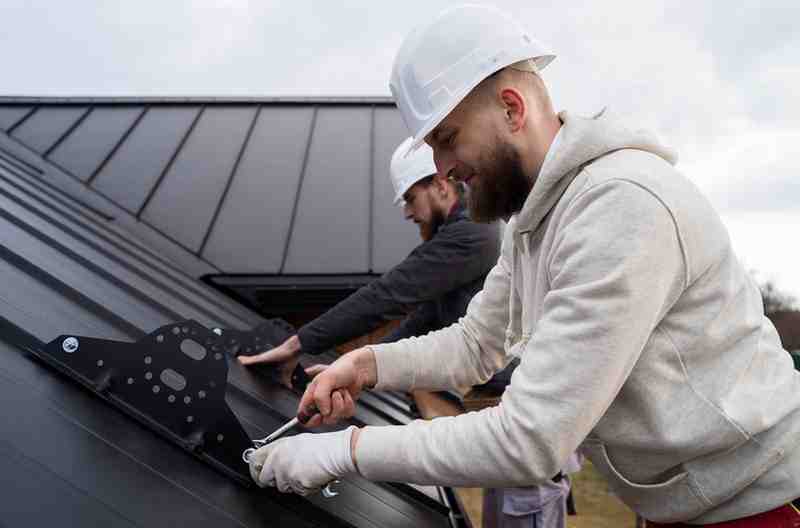
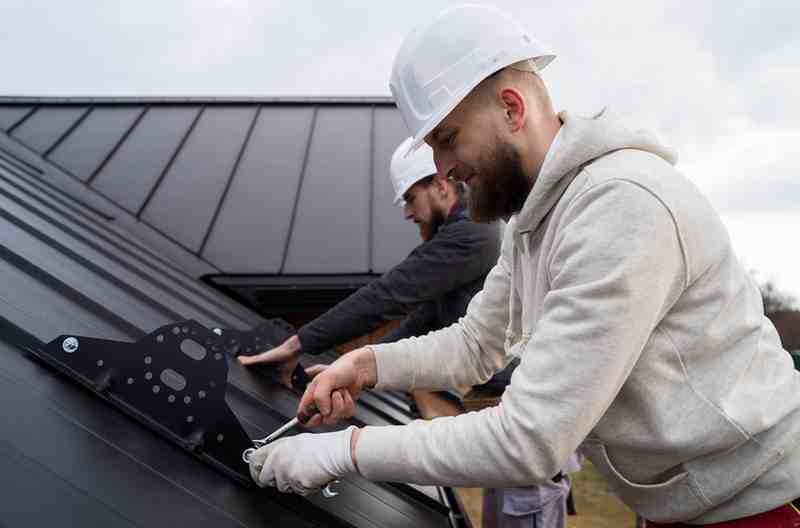
The typical installation process begins with a site survey and structural evaluation. Once the design is approved, the roof area is prepared and the mounting system is positioned according to the engineering plan.
Solar modules are then secured to the mounting structure. Electrical cables are routed carefully to prevent damage and reduce exposure to environmental conditions.
Inverters and other electrical equipment are installed at appropriate locations, followed by electrical connections, testing, and commissioning.
During installation, workers should use appropriate fall-protection equipment and follow site-specific safety procedures. Industrial PEB roofs can have significant working-at-height risks, making professional installation particularly important.
Waterproofing and Roof Protection
One of the most important considerations for solar panels on PEB roofs is protecting the roof from water leakage.
Unnecessary roof penetrations should be avoided wherever the design allows. Where penetrations are required, they must be properly sealed using suitable materials and installation techniques.
The mounting system should not interfere with roof drainage. Water must be able to flow naturally toward gutters and downpipes.
Poor installation can result in leaks, corrosion, roof damage, and expensive maintenance problems, so waterproofing should be treated as a critical part of the solar project rather than an afterthought.
Maintenance of PEB Roof Solar Systems
A rooftop solar system requires regular inspection and maintenance to maintain performance.
Panels should be checked for dirt, physical damage, loose connections, and other issues. Electrical components should also be inspected periodically.
The PEB roof itself should be monitored for corrosion, damaged roof sheets, water leakage, and changes around mounting points. Maintenance teams should also ensure that access paths remain safe.
For PEB warehouse solar panels, a planned maintenance schedule is particularly valuable because large industrial facilities can have extensive roof areas and substantial energy consumption.
Benefits of Rooftop Solar for PEB Buildings
- Reduces Electricity Costs: Solar energy can significantly reduce dependence on grid electricity and help lower monthly power bills.
- Uses Existing Roof Space: PEB warehouses and industrial buildings typically have large roof areas that can be efficiently utilized for solar power generation.
- Lower Operating Expenses: Generating electricity on-site can help businesses reduce long-term energy and operational costs.
- Supports Sustainability: Rooftop solar helps businesses increase the use of renewable energy and reduce their environmental impact.
- Suitable for Large Industrial Buildings: PEB factories, warehouses, workshops, and logistics facilities often have sufficient roof space for substantial solar installations.
- Efficient Use of Available Property: Solar panels can be installed on the existing building roof without requiring significant additional land.